


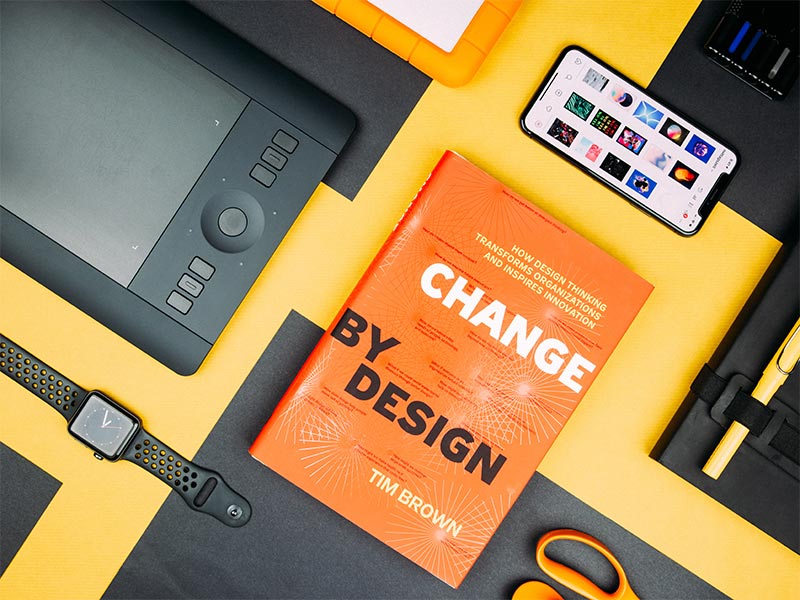
In today’s fast-paced and ever-changing business landscape, the ability to adapt and evolve is crucial for success. However, many organizations struggle to implement meaningful change, often resulting in failed initiatives and missed opportunities. But what if you could design change into your organization’s DNA, rather than trying to impose it from the outside? By embracing a culture of continuous improvement and intentional design, you can create a workplace that is agile, innovative, and resilient.
The key to successful change is to approach it as a deliberate and intentional process, rather than a reactive response to external pressures. This means identifying areas for improvement, developing a clear vision and strategy, and implementing changes that are aligned with your organization’s goals and values. By taking a design-thinking approach to change, you can create a culture of experimentation, iteration, and continuous learning, where employees are empowered to take ownership of their work and drive innovation.
One of the most significant benefits of designing change is the ability to create a sense of purpose and direction. When employees understand the why behind the change, they are more likely to be engaged, motivated, and committed to the process. By involving employees in the design and implementation of change, you can build trust, foster collaboration, and create a sense of ownership and accountability. This can lead to a more cohesive and effective organization, where everyone is working towards a common goal.
Another advantage of designing change is the ability to create a culture of experimentation and learning. By embracing failure as a natural part of the process, you can create a culture where employees feel comfortable taking risks, trying new things, and learning from their mistakes. This can lead to a more innovative and agile organization, where employees are empowered to drive growth and improvement.
In addition to these benefits, designing change can also help to reduce resistance and minimize disruption. By involving employees in the design and implementation of change, you can build trust and buy-in, reducing the likelihood of resistance and minimizing the impact of disruption. This can lead to a smoother and more successful transition, with less disruption to operations and fewer negative consequences.
Finally, designing change can also help to create a culture of continuous improvement, where employees are constantly looking for ways to improve processes, products, and services. By embracing a culture of continuous learning and improvement, you can create a workplace that is always striving to be better, more efficient, and more effective. This can lead to a more competitive and successful organization, where employees are empowered to drive growth and innovation.
In conclusion, designing change is a powerful way to create a workplace that is agile, innovative, and resilient. By embracing a culture of continuous improvement and intentional design, you can create a workplace that is always striving to be better, more efficient, and more effective. Whether you’re looking to drive growth, improve efficiency, or simply create a more positive and productive work environment, designing change can help you achieve your goals and create a workplace that is truly exceptional.


